

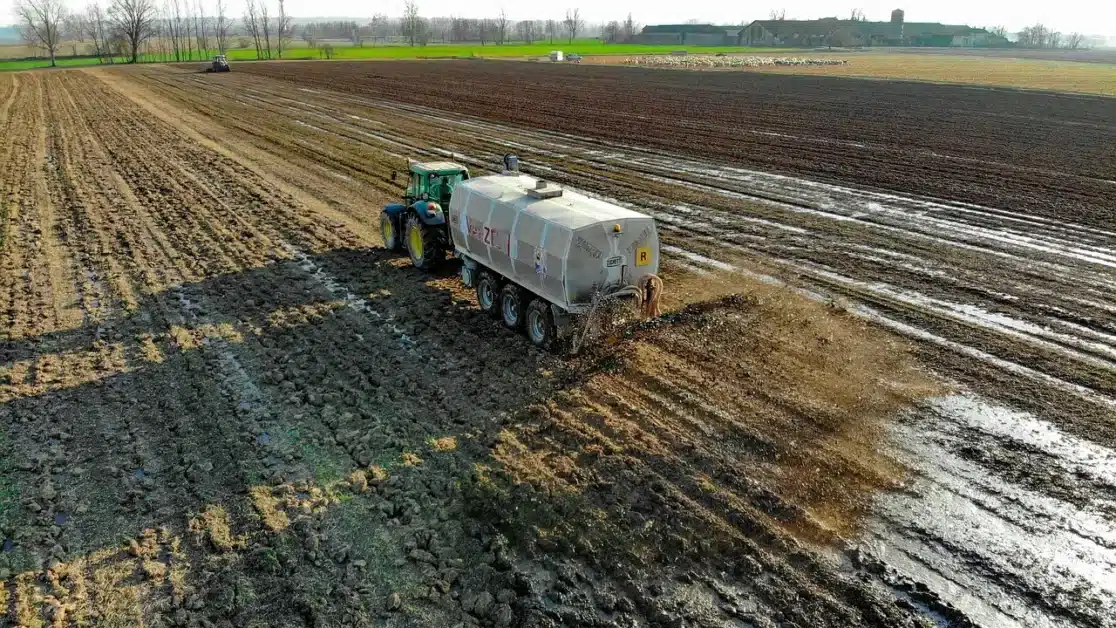
Urea fertilizer is one of the most widely used nitrogen sources in global agriculture. Containing 46% nitrogen (N), it delivers a concentrated nutrient supply that supports healthy crop growth, higher yields, and improved quality. However, applying urea fertilizer correctly requires more than just spreading granules across a field. Overuse can cause nutrient leaching, volatilization losses, or even crop damage, while underuse limits productivity.
This comprehensive guide explores urea fertilizer dosage, with practical recommendations by crop, soil type, and growth stage. It also introduces complementary products, such as YaraFert solutions like SULFOMIX, Biofast, Ugarit series, CALCIMAG, and Sulforex, which enhance nutrient efficiency and support balanced plant growth.
Recommended Urea Fertilizer Rates by Crop
Different crops require varying nitrogen levels depending on their physiology, growth cycle, and yield goals. Below is a general guideline for urea fertilizer application per hectare:
| Crop | Nitrogen Requirement (kg N/ha) | Urea Equivalent (kg/ha) |
|---|---|---|
| Wheat | 80–120 | 175–260 |
| Rice | 100–150 | 215–325 |
| Maize | 150–200 | 325–435 |
| Cotton | 120–180 | 260–390 |
| Sugarcane | 150–250 | 325–545 |
| Vegetables | 60–120 | 130–260 |
When applying urea fertilizer to these crops, supplementing with micronutrient-rich products such as SULFOMIX (Fe, Zn, Mg, Mn, Cu, B, S, Mo) ensures balanced nutrition and helps prevent hidden deficiencies that urea alone cannot address.
Factors That Influence Urea Fertilizer Dosage
The ideal urea fertilizer dosage is influenced by environmental and management conditions. Applying a one-size-fits-all rate often leads to inefficiency. Farmers should adjust according to:
- Soil fertility status: Sandy soils with low organic matter require higher nitrogen supplementation compared to loamy soils.
- Climate: Heavy rainfall accelerates nitrogen leaching, while hot conditions increase volatilization.
- Crop variety: High-yielding hybrids demand higher nitrogen levels.
- Irrigation practices: Well-irrigated systems retain nitrogen better than rain-fed fields.
- Nutrient interactions: Urea provides nitrogen only. For complete nutrition, balanced fertilizers such as Biofast (NPK 12-12-12 with humic and fulvic acids) support stronger root development and better nitrogen utilization.
READ MORE: Common Mistakes When Using Urea Fertilizer and How to Avoid Them
Urea Fertilizer Application by Soil Type
Soil type plays a critical role in determining how much urea fertilizer should be applied and how it should be managed.
- Sandy soils: Prone to leaching; split applications of urea are recommended. Complement with Ugarit K-T-S 25 (K?O 36%, SO? 25%) to balance potassium and sulfur deficiencies.
- Clay soils: Nitrogen losses from denitrification are common. Combine urea with Sulforex 80 + S (80% sulfur) to improve soil microbial activity and nitrogen efficiency.
- Loamy soils: Generally well-balanced but benefit from a mix of urea fertilizer and Ugarit 27-27-27 + TE, which provides a balanced NPK profile.
- Calcareous soils: High pH accelerates ammonia volatilization; using CALCIMAG (N 15%, CaO 22%, MgO 3%) enhances nutrient uptake while reducing nitrogen losses.
Adjusting Urea Fertilizer Based on Growth Stage
Applying all urea fertilizer at once often leads to inefficiency. Instead, split applications according to crop growth stages improve uptake and minimize losses.
For example:
- Cereals (Wheat, Rice, Maize):
- 40% at sowing/basal stage
- 30% at tillering
- 30% at heading/grain filling
Supplement with Ugarit Cereal (N 15%, Cu 2%) to boost grain protein and overall quality.
- Vegetables:
- 50% basal dose
- 25% during vegetative stage
- 25% during fruiting/flowering
Combine with Ugarit 10-10-40 + TE for improved fruit set and yield.
- Fruit crops (Grapes, Strawberries):
- Lower basal nitrogen dose
- Higher mid-season and flowering doses
Complement with Ugarit Grapes (Cu, Mg, Mn, Zn) or Ugarit Strawberry (P?O? 20%, K?O 25%) for crop-specific micronutrient support.
READ MORE: Best Time to Apply Urea Fertilizer Based on Crop Type
Tools to Calculate Urea Fertilizer Dosage
Accurate nitrogen management depends on precise calculations. Farmers can use several tools to optimize urea fertilizer dosage:
- Soil testing kits: Identify existing nitrogen levels before application.
- Leaf color charts (LCC): A quick and cost-effective method, particularly for rice.
- Nitrogen Use Efficiency (NUE) calculators: Digital tools that recommend exact urea amounts based on yield goals and environmental conditions.
- Fertilizer blend solutions: Ready-made formulations like Ugarit Multi (K?O 30%, S 32%, CaO 10%) integrate multiple nutrients, reducing reliance on urea alone.
By combining these tools with integrated fertilizers such as Ugarit 40-10-10 + TE or Super DKP (P?O? 30%, K?O 60%), farmers can ensure balanced nutrition while preventing nitrogen over-application.
Why Complement Urea Fertilizer with Balanced Nutrition?
Although urea fertilizer is a powerful nitrogen source, crops need more than nitrogen to achieve optimal yield. For instance:
- Sulfur synergy: Products like SULPHOMIN (N 45%, SO? 15%) improve nitrogen uptake.
- Potassium support: Ugarit 0-5-65 strengthens plant stress resistance and complements nitrogen use.
- Micronutrient efficiency: Ugarit Beet (Zn, Cu, Mo, Mg, B?O?) prevents hidden hunger in root crops.
Balanced fertilization ensures that nitrogen from urea fertilizer is effectively converted into proteins, enzymes, and plant tissues rather than being lost to the environment.
Final Thoughts
Using urea fertilizer correctly can transform crop yields, but efficiency depends on thoughtful application—considering crop type, soil condition, and growth stage. Farmers who combine urea fertilizer with complementary solutions like SULFOMIX, Biofast, Ugarit series, CALCIMAG, and Sulforex achieve stronger, healthier crops while minimizing nutrient waste.
? Ready to optimize your fertilizer program? Explore our full range of YaraFert solutions, or contact our team for tailored recommendations to maximize your field productivity.
READ MORE: How to Apply Urea Fertilizer for Maximum Crop Yield