

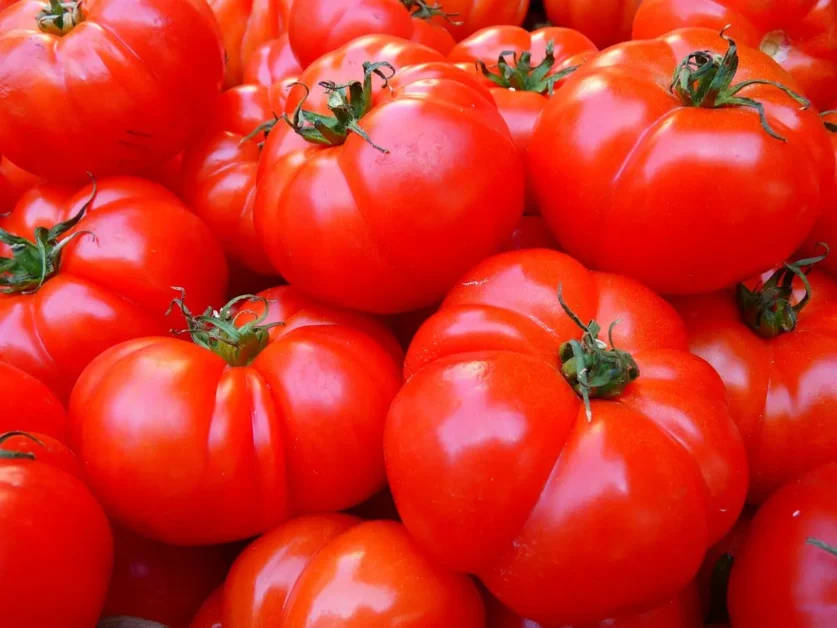
Tomatoes are among the most widely grown crops worldwide, prized for their versatility and nutrition. However, successful tomato production depends on more than just planting seeds and watering regularly. One of the most crucial but often overlooked aspects is the relationship between tomato fertilizer and soil pH. Soil pH directly influences how nutrients are absorbed, and the right balance ensures vigorous plant growth, high yields, and fruit quality.
In this comprehensive guide, we’ll explore how soil pH interacts with tomato fertilizer, the challenges posed by acidic and alkaline soils, and practical steps to optimize conditions. Along the way, we’ll highlight how specialized solutions like YaraFert products, including SULFOMIX, Biofast, and Ugarit formulations, can help growers achieve balanced nutrition and sustainable productivity.
Ideal Soil pH for Tomato Fertilizer Effectiveness
Tomato plants thrive in slightly acidic soils with a pH range of 6.0–6.8. Within this range, the majority of essential nutrients—including nitrogen (N), phosphorus (P?O?), and potassium (K?O)—are most available to the crop.
Here’s why soil pH matters for tomato fertilizer efficiency:
- Nitrogen availability: Strongly acidic soils (<5.5 pH) reduce nitrogen uptake, limiting vegetative growth.
- Phosphorus uptake: Phosphorus becomes locked in insoluble compounds when soil is either too acidic or too alkaline.
- Potassium efficiency: Potassium is critical for fruit development, but its effectiveness diminishes in soils above pH 7.5.
- Micronutrients: Elements like iron (Fe), zinc (Zn), and manganese (Mn) are more available in acidic soils but deficient in alkaline conditions.
By keeping soils within the optimal pH zone, tomato fertilizers such as Biofast (12-12-12 + humic and fulvic acids) deliver maximum impact, ensuring balanced nutrition.
How Acidic Soils Interact with Tomato Fertilizer
Acidic soils (pH < 5.5) pose several challenges for tomato production. Even when high-quality tomato fertilizer is applied, nutrient efficiency decreases, and certain toxicities may emerge.
Key interactions include:
- Aluminum and manganese toxicity: Acidic conditions increase soluble Al and Mn levels, which can stunt root growth.
- Reduced calcium and magnesium availability: Both elements are critical for preventing blossom-end rot in tomatoes.
- Fertilizer losses: Nitrogen applied through ammonium-based fertilizers may convert to nitrate and leach easily.
Solutions for acidic soils:
Products like CALCIMAG (15% N, 22% CaO, 3% MgO, 0.5% B) are ideal in such conditions. Calcium and magnesium help neutralize acidity while supplying essential nutrients that stabilize soil chemistry.
READ MORE: How Weather Conditions Affect Tomato Fertilizer Timing
Adjusting pH Before Applying Tomato Fertilizer
Before investing in tomato fertilizer, adjusting soil pH ensures that nutrients are not wasted. Soil amendments can raise or lower pH depending on the need.
To correct soil pH effectively:
- Raising pH (liming acidic soils): Apply lime (CaCO?) or calcium-rich fertilizers like CALCIMAG.
- Lowering pH (alkaline soils): Use acidifying agents such as Phosphoric Acid 85% (H?PO?, pH 1.5) or sulfur-based fertilizers like SULFOMIX (11% S, plus micronutrients Fe, Zn, Mn, Cu, B, Mo).
Steps before applying tomato fertilizer:
- Conduct a soil test to determine baseline pH.
- Choose the appropriate amendment (lime or sulfur-based).
- Allow time for soil reaction (weeks to months depending on material).
- Apply tomato fertilizer once pH is in the optimal range.
By integrating products like Ugarit 10-0-5 + 70% organic matter, growers can enhance microbial activity and improve soil buffering capacity while adjusting pH naturally.
READ MORE: Applying Tomato Fertilizer Before or After Watering: What Works?
Tomato Fertilizer Reactions in Alkaline Soil
Alkaline soils (pH > 7.5) present unique challenges for tomato cultivation. Nutrient deficiencies, especially of iron, manganese, and zinc, are common because these micronutrients become insoluble in high-pH conditions.
Impact on tomato fertilizer in alkaline soils:
- Phosphorus fixation: Applied phosphorus (P?O?) reacts with calcium, reducing availability.
- Micronutrient lock-up: Iron deficiency leads to interveinal chlorosis in young leaves.
- Reduced sulfur efficiency: Sulfate-based fertilizers may not acidify sufficiently to lower pH.
Best solutions:
- SULFOMIX provides a suspension of sulfur and micronutrients tailored to correct deficiencies in alkaline soils.
- Ugarit Multi (30% K?O, 32% S, 10% CaO) ensures potassium supply while improving root zone conditions.
- Sulforex 80 + S (80% sulfur) offers a powerful tool for gradually acidifying alkaline soils.
Testing Soil pH Before Tomato Fertilizer Use
No tomato fertilizer program can be effective without accurate soil testing. Soil pH testing ensures that fertilizers are not wasted and that corrective measures are applied in time.
Why test soil pH regularly?
- Ensures balanced nutrient availability.
- Prevents over-application of fertilizers.
- Helps determine the most cost-effective product choices.
- Protects long-term soil health.
Practical methods to test soil pH:
- Portable soil pH meters for on-site monitoring.
- Laboratory soil analysis for detailed nutrient profiles.
- Indicator strips as quick but less precise tools.
Pro tip: Before applying high-performance blends like Ugarit 27-27-27 + TE or Ugarit 10-10-40 + TE, always confirm that your soil pH supports full nutrient availability.
Technical Insights: Nutrient Availability by Soil pH
The chart below summarizes how soil pH influences nutrient uptake in tomato crops:
| Nutrient | Best Availability pH Range | Deficiency Risk in Low pH | Deficiency Risk in High pH |
|---|---|---|---|
| Nitrogen (N) | 6.0–7.0 | Leaching, volatilization | Reduced uptake |
| Phosphorus (P?O?) | 6.2–6.8 | Fixation with Fe, Al | Fixation with Ca |
| Potassium (K?O) | 6.0–7.5 | Reduced uptake | Competition with Ca, Mg |
| Iron (Fe) | 5.0–6.5 | Rare | Severe deficiency |
| Zinc (Zn) | 5.5–6.5 | Rare | Deficiency common |
This reinforces the importance of aligning tomato fertilizer application with soil pH management.
Conclusion: Achieving Tomato Fertilizer Success Through Soil pH Management
Tomato cultivation is as much about soil chemistry as it is about fertilizer choice. By maintaining the ideal soil pH, growers ensure that tomato fertilizer delivers maximum benefits in terms of yield, fruit quality, and plant resilience.
With solutions like SULFOMIX for micronutrient correction, Biofast for balanced NPK with humic acids, and Ugarit formulations for targeted nutrition, growers have access to advanced tools that adapt to soil conditions.
? Call to Action: Ready to optimize your tomato crop? Explore our full range of YaraFert solutions, or contact our expert team for tailored guidance. Ensure your next harvest benefits from the perfect balance of tomato fertilizer and soil pH management.
READ MORE: Tomato Fertilizer Schedule: Seedling to Fruiting Stage