

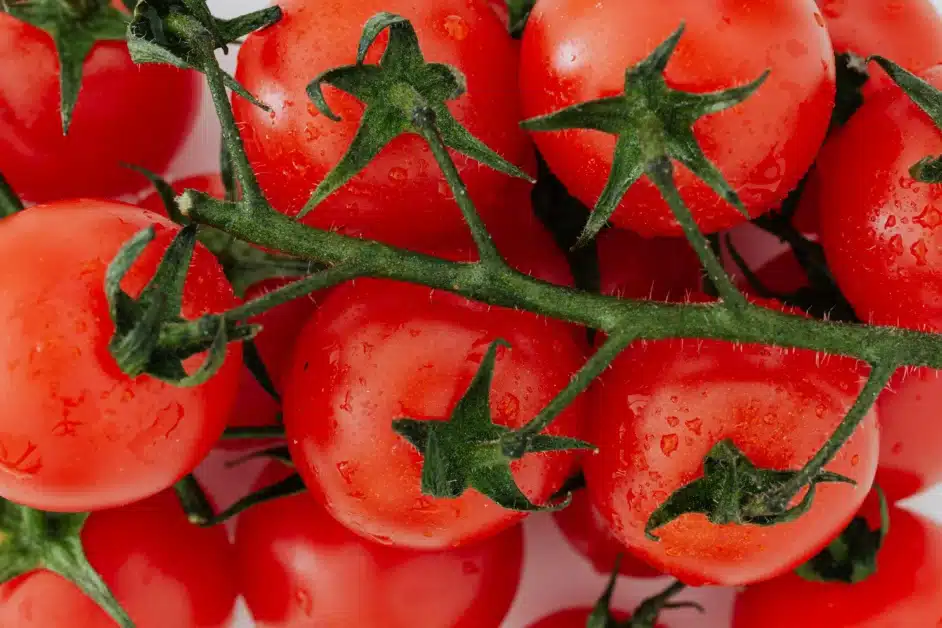
Tomatoes are among the most rewarding crops for home gardeners and commercial growers alike. Yet, to cultivate plump, flavorful tomatoes, choosing the right feeding strategy is crucial. Two popular options often compared are compost tea and tomato fertilizer. This guide breaks down the benefits, limitations, and long-term implications of each, helping you make an informed decision for optimal tomato health and yield.
What Compost Tea Offers Tomatoes vs. Tomato Fertilizer
Compost tea is a liquid produced by steeping compost in water, often aerated, to extract beneficial microorganisms and soluble nutrients. In contrast, tomato fertilizer is a formulated product designed to provide a precise nutrient ratio tailored to the needs of tomato plants.
Compost tea benefits include:
- Enhancing microbial diversity in the soil
- Improving nutrient uptake efficiency
- Supporting disease resistance through microbial competition
- Acting as a mild foliar spray for added vitality
However, tomato fertilizer offers consistent, measurable nutrient delivery. Whether you choose a balanced formula like Ugarit 27-27-27 + TE or a potassium-focused blend like Super DKP (30-60-0), tomato fertilizers ensure your plants receive the NPK (Nitrogen-Phosphorus-Potassium) they need at critical growth stages.
For instance, yarafert’s Biofast combines 12% N, 12% P?O?, and 12% K?O along with 24% humic acid and 24% fulvic acid—making it not just a nutrient source but a soil enhancer too.


Nutrient Breakdown of Tomato Fertilizer vs. Compost Tea
One of the most important comparisons lies in the nutrient profile. While compost tea has trace nutrients and beneficial microbes, tomato fertilizers deliver high-performance feeding for fast-growing tomato plants.
Typical Nutrient Profiles:
| Nutrient | Compost Tea (Varies) | Tomato Fertilizer (Example: Ugarit 10-10-40 + TE) |
|---|---|---|
| Nitrogen (N) | Low | 10% |
| Phosphorus (P?O?) | Very Low | 10% |
| Potassium (K?O) | Low to Moderate | 40% |
| Micronutrients | Depends on compost | Zinc, Copper, Iron, Manganese (TE) |
| Humic/Fulvic Acids | Present in organic input | Biofast: 48% combined |
Tomato fertilizer wins on precision and scalability. Products like Ugarit 25-25-25 + TE or Ugarit 0-52-34 deliver custom nutrient loads based on crop stage—flowering, fruiting, or vegetative. Compost tea, while natural and beneficial, lacks this level of control.


Tomato Fertilizer Effect on Long-Term Soil Health

There’s a common concern that synthetic fertilizers may degrade soil over time. However, many yarafert tomato fertilizers include organic matter and micronutrients that promote sustainable soil health.
For example:
- Ugarit 10-0-5 + 70% Organic Matter adds 70% humic and fulvic acids to improve soil structure and microbial activity.
- CALCIMAG offers calcium (22%) and magnesium (3%) to counteract soil acidification from continuous fertilization.
- SULFOMIX provides a trace element boost (Fe, Zn, Mg, Mn, Cu, B) and 11% sulfur to revitalize soil biology.


In contrast, compost tea contributes significantly to microbial biodiversity, encouraging mycorrhizal fungi and beneficial bacteria. While it can’t match the nutrient delivery of tomato fertilizer, its role in restoring natural soil ecosystems is unmatched.
Ease of Application: Tomato Fertilizer vs. Compost Tea
Ease of use can determine the choice for both home gardeners and commercial growers. Compost tea often requires brewing time, aeration systems, and careful monitoring to avoid anaerobic conditions that may breed pathogens.
Tomato fertilizer, especially when in liquid or suspension form, is far more convenient:
- Liquid options like Ugarit K-T-S 25 and SULPHOMIN integrate easily into fertigation systems.
- Gel-based products like Biofast dissolve rapidly and ensure even nutrient delivery.
- Suspension formulas such as Ugarit 40-10-10 + TE are ideal for foliar or drip application.


Compost tea can be a valuable supplement but is labor-intensive. For consistent results, tomato fertilizers win for practicality.
Choosing Between Tomato Fertilizer and Compost Tea

Selecting the best feeding method depends on your specific goals and cultivation style. Below are key considerations to guide your decision:
Choose Compost Tea if:
- You prioritize organic practices and biodiversity.
- You have time to brew and manage microbial cultures.
- You need a soil conditioner rather than a nutrient-dense input.
Choose Tomato Fertilizer if:
- You want fast, measurable results.
- You grow tomatoes commercially or at scale.
- You aim to control nutrient input by crop phase.
For optimal results, many growers integrate both approaches—using compost tea to support microbial life and tomato fertilizer for targeted nutrition. Products like Ugarit Multi (K?O: 30%, S: 32%, CaO: 10%) and Ugarit Beet (Zn, Cu, Mg, B-enriched) offer excellent performance when used with organic teas.


Final Thoughts
When it comes to tomato health and productivity, the tomato fertilizer vs. compost tea debate isn’t about which is “better,” but which suits your growing needs best. Compost tea supports long-term microbial life, while tomato fertilizer ensures your plants receive what they need—right when they need it.
Many growers find that using both in combination brings out the best in their crops. High-quality products from yarafert, such as Super DKP, Ugarit Strawberry, and Ugarit 10-65-10, give tomatoes the robust feeding necessary for high yields, while organic teas improve root interaction and resilience.
Take the Next Step
Looking to maximize your tomato harvest?
- Explore our full range of tomato fertilizers for every stage of plant development.
- Contact our agronomy experts to get personalized nutrition plans tailored to your soil type and tomato variety.
- Visit [Your Website Name] and browse professional-grade products like Biofast, Ugarit K-T-S 70, or Ugarit 0-5-65 to take your crop to the next level.
Start growing smarter—because better feeding means better tomatoes.