

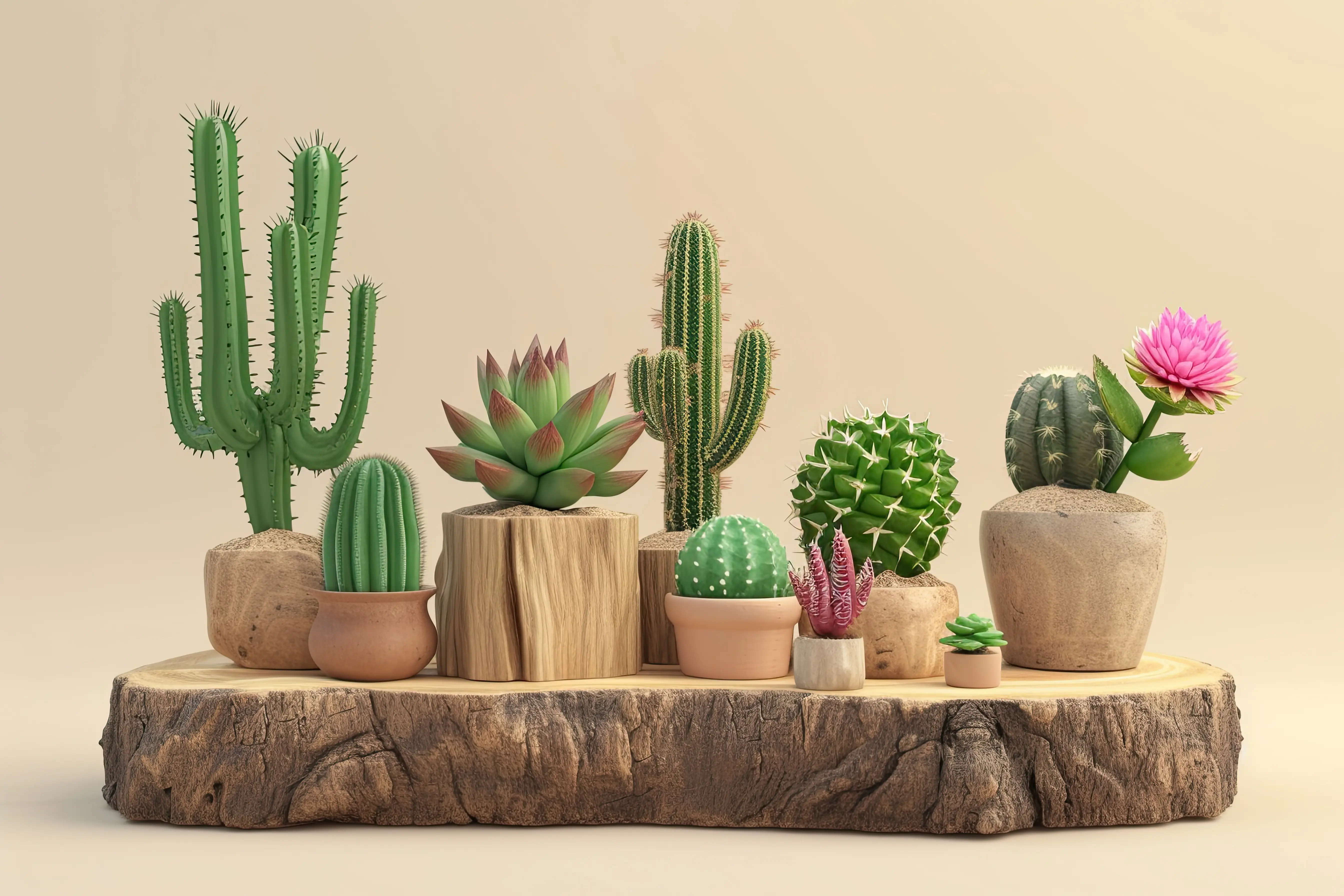
Cacti and succulents thrive in unique conditions, particularly when it comes to the soil they grow in. Unlike typical houseplants, they require a soil mix that drains well and prevents water retention, ensuring their roots don’t become waterlogged. Understanding the right soil for these plants is essential to their growth and overall health. This article will guide you through what makes a great cactus and succulent soil and how to choose or create the best mix for your plants.
Characteristics of Good Cactus and Succulent Soil
Cacti and succulents have adapted to survive in some of the harshest environments, where rainfall is infrequent, and the soil tends to dry out quickly. When selecting or mixing soil for these plants, several key factors are important:
- Fast drainage: Cacti and succulents hate sitting in water. A well-draining soil mix is vital to prevent root rot.
- Porous texture: Soil with large particles creates air pockets, allowing water to pass through easily and providing roots with oxygen.
- Low organic matter: Unlike most houseplants, these plants don’t need much organic matter, as they can survive on minimal nutrients.
- Slightly acidic pH: A soil pH between 5.5 and 6.5 works well for most cacti and succulents.
Essential Components of Cactus and Succulent Soil
The ideal soil for cacti and succulents often includes a mix of ingredients that ensure both drainage and aeration. Here are the key components:
- Coarse Sand
- Coarse sand improves drainage, making it essential for cactus and succulent soil.
- It prevents the soil from compacting, helping roots breathe.
- Perlite or Pumice
- Both materials are lightweight and help aerate the soil.
- They prevent soil compaction and ensure water doesn’t pool at the base of the pot.
- Gravel or Grit
- Fine gravel or grit can be added to the soil mix to increase drainage.
- It also helps the soil stay loose, ensuring water moves through quickly.
- Coconut Coir or Peat Moss (in small amounts)
- These materials retain moisture but should only be used sparingly to prevent the soil from becoming too wet.
- They provide some structure and help the soil hold together.
- Compost or Potting Soil (small quantity)
- A small amount of organic matter provides essential nutrients for the plants.
- Be sure not to use too much, as excess organic material can retain too much water.
Read more: The best fertilizer for vegetables and fruits
Read more: Organic Plant Soil
Ready-Made vs. Homemade Cactus and Succulent Soil
When it comes to soil for your cacti and succulents, you have two options: buy a ready-made mix or create your own at home. Let’s break down the pros and cons of each.
Ready-Made Soil Mix
- Convenience: Ready-made cactus and succulent soil mixes are easy to find and require no extra effort.
- Balanced formula: These mixes are formulated specifically for these plants, with the right balance of drainage and aeration.
- Potential drawbacks: Some commercially available mixes may still retain too much moisture, so you might need to add extra sand or perlite.
Homemade Soil Mix
- Customization: By making your own mix, you can tailor the soil to your plants’ exact needs.
- Cost-effective: Creating your own mix may be cheaper in the long run, especially if you already have the ingredients on hand.
- Requires knowledge: If you’re new to cactus and succulent care, making your own mix can be daunting without the right understanding of soil components.
Read more: The best NPK fertilizers
Read more: Guide to Choosing the Best Soil for Vegetable
How to Make Your Own Cactus and Succulent Soil
For those who prefer to customize their soil, making your own cactus and succulent mix is simple. Follow this basic recipe to create a well-draining soil that promotes healthy growth:
- Start with a base of regular potting soil
- Use about 50% of potting soil as the foundation.
- Choose a soil mix that has minimal organic matter to avoid water retention.
- Add coarse sand
- Mix in about 30% coarse sand to ensure proper drainage.
- Avoid fine sand, which can compact and reduce drainage.
- Incorporate perlite or pumice
- Add around 20% of perlite or pumice for aeration.
- This component keeps the soil light and prevents it from becoming too dense.
- Optional: Add gravel or grit
- You can add a small amount of gravel or grit (about 10%) to further improve drainage.
Read more: The best crop fertilizer
Read more: Organic Liquid Fertilizer
Signs Your Cactus or Succulent Needs a Different Soil
Knowing when your plant requires a change in soil is important for its long-term health. If your cactus or succulent is showing signs of distress, the soil may not be suitable. Here’s what to look for:
- Waterlogged roots: If your plant’s roots are sitting in water, it’s a clear sign that the soil isn’t draining properly.
- Wilting or yellowing leaves: This can indicate poor drainage or overly compact soil.
- Mold or fungus growth: Too much moisture in the soil can lead to fungal growth, a sign the soil needs better aeration.
- Slow growth: If your plant isn’t growing or thriving, the soil might not be providing enough oxygen or nutrients.
Read more: The best beet fertilizer
Read more: Seed Starting Soil
Tips for Repotting Cacti and Succulents
Repotting your cacti and succulents with the right soil mix is key to their health. Here’s a quick guide on how to do it properly:
- Choose the right pot
- Opt for a pot with drainage holes to prevent water from collecting at the bottom.
- Terracotta pots are great for succulents, as they allow for better air circulation.
- Prepare your soil
- Whether you’re using a store-bought mix or making your own, ensure the soil is well-draining and porous.
- Repot during the growing season
- The best time to repot is during the spring and summer, when the plants are actively growing.
- Avoid repotting during their dormant season, as they’ll need time to adjust.
- Remove old soil carefully
- Gently remove the plant from its current pot and shake off any excess soil.
- Be cautious with the roots, as they can be delicate.
- Place in the new pot and soil
- Fill the bottom of the new pot with soil, place the plant in the center, and fill around the sides.
- Leave some space at the top of the pot for watering.
Read more: The best Grapes fertilizer
Read more: Guide to Spring Fertilizer
Watering and Soil Maintenance Tips
Even with the best soil mix, proper watering and soil maintenance are essential to keeping your cactus and succulents healthy. Follow these tips:
- Water sparingly: These plants don’t need much water. Let the soil dry out completely between waterings.
- Check drainage: After watering, make sure excess water flows out of the bottom of the pot.
- Monitor soil health: Periodically check the soil to ensure it hasn’t become compacted or too moist.
Read more: The best Strawberry fertilizer
Read more: Winterizer Fertilizer Application Tips
Conclusion
Choosing or making the right soil for your cacti and succulents is critical for their survival. A well-draining, porous mix ensures their roots stay healthy, preventing common issues like root rot. Whether you opt for a store-bought blend or make your own, understanding the essentials of cactus and succulent soil will help your plants thrive for years to come.
Read more: Best Cereal Fertilizer
Read more: Soil for Elevated Beds